“From nighttime landings to the cockpit of organizations: an art of leadership under pressure that saves decisions.”
Lionel Bonhomme
Lionel Bonhomme
A naval fighter pilot, then a water bomber pilot with the Civil Security, Lionel Bonhomme embodies a trajectory dedicated to making the right decisions under pressure. Passionate about aviation from a young age, he dreamt early on of becoming a carrier-based fighter pilot. This project began to take shape during his schooling and was realized at 16 when he started training as a glider pilot in the Hautes-Alpes, his home region — a first immersion that shaped his relationship with flight, rigor, and commitment. After obtaining a scientific baccalaureate, he joined the Naval Aviation in 1994 and earned his "Golden Wings" in 1998 within the US Navy — an excellence school that sustainably structured his culture of preparation, briefing, and debriefing. Attracted to operational roles, he quickly directed his career towards the most demanding missions, where quick decision-making is a matter of safety and collective efficiency.
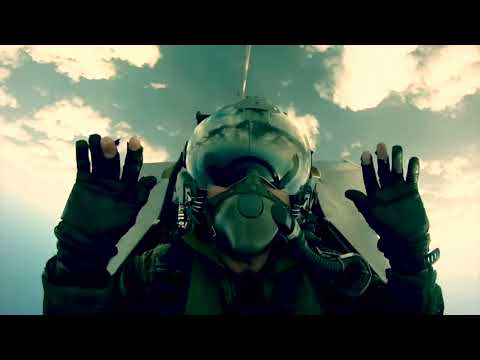
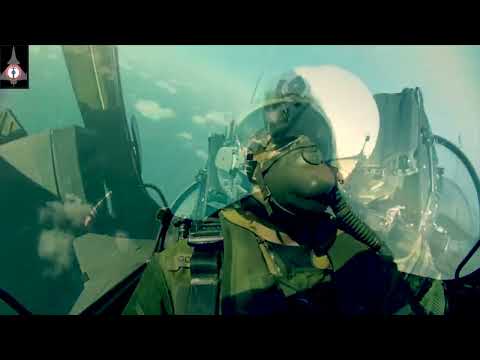
From 1999 to 2013, aboard the Charles de Gaulle aircraft carrier, he participated in France's major operations, notably in Afghanistan and Libya. He successively piloted the modernized Super-Étendard, the Mirage 2000 during an exchange with the Air Force, and then the Rafale Marine. During the operation in Libya, he was entrusted with the head of the Operations service of a Rafale Marine flotilla — a strategic position at the heart of mission coordination, requiring absolute mastery of human, tactical, and decision-making issues. Squadron leader since 2004 and graduate of the Tactical Leadership Program (NATO label), he developed a rare expertise in leading complex teams in uncertain environments. Leading international crews, synchronizing dozens of aircraft, and maintaining a high level of operational demand became his daily routine. These reflexes — clarifying intention, synchronizing roles, communicating precisely — now constitute the foundation of his interventions in businesses.
In 2013, he transitioned into rescue aviation, true to his passion for action and commitment. As of 2014, he joined the Civil Security as a water bomber pilot. He successively became co-pilot, then captain on Canadair, Tracker, and Dash 8. In these missions in direct contact with danger, he found the same demands: to act quickly, as a team, with a culture of managed risk and constant attention to human factors. Lionel Bonhomme has now logged over 6,000 flight hours, more than 100 combat missions, and nearly 600 landings including 150 at night — an exceptional experience gained on A4 Skyhawk, modernized Super-Étendard, and Rafale Marine. His service records have been recognized with several distinctions, including the Legion of Honor (knight) and the Aeronautics medal.
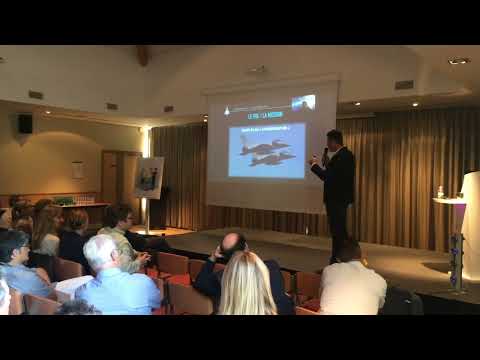
Fluent in French and English, he now speaks in business with a direct, structured, and operational style. Through immersive stories, strong images, and concrete feedback, he shares the keys to leadership under pressure, cohesion, and sustainable collective performance. Close to the Chibane collective, he transposes the "cockpit grammar" — preparation, execution, debrief — to the world of organizations. A simple and powerful framework that aligns teams, accelerates learning, and secures decisions in environments where everything is speeding up.
Decide quickly and fairly under pressure!
- · In the cockpit of a Rafale as in the heart of a crisis room, every second counts. Deciding too late or with incomplete information can have irreversible consequences.
- · Lionel Bonhomme has led over 150 combat missions where clarity and decision-making rigor were vital. He shows how preparation, briefing, and communication discipline help reduce uncertainty and make quick decisions in action.
- · In business, pressure takes other forms: competition, regulatory changes, customer expectations. Lionel demonstrates how to apply cockpit reflexes — clarify intent, synchronize roles, focus on the essentials — to enhance the quality of collective decision-making.
- · This conference offers teams a simple and effective framework for deciding quickly and accurately, even in complex and uncertain environments where everything accelerates.
Team cohesion in uncertain environments!
- · When conditions change suddenly — weather, threat, operational unforeseen — the strength of a team lies in its cohesion. Without trust and synchronization, performance collapses.
- · Patrol leader since 2004, Lionel has learned to unite crews with varied profiles around a common goal, in situations of intense stress. Aerial missions require clear communication, mutual trust, and shared anticipation.
- · In a professional world fragmented by silos and complexity, cohesion becomes a competitive advantage. Lionel illustrates how simple practices — clarification of intentions, clearly defined roles, sincere feedback — create a collective capable of facing the unforeseen.
- · Participants leave with concrete levers to transform a team of talents into a united, responsive, and high-performing team.
Stress Management and Sustainable Performance!
- · A pilot learns very early on that stress is inevitable. The key is not to avoid it, but to transform it into useful energy.
- · Whether it's a night landing on an aircraft carrier or a water drop just meters from the flames, Lionel has experienced situations where stress can paralyze or galvanize. His method relies on mental preparation, training, and managing cognitive load.
- · In companies, deadlines, uncertainty, and information overload create constant pressure. Lionel offers techniques from the aeronautical world to tame stress, maintain clarity, and sustain collective performance over time.
- · This conference demonstrates that stress, when well managed, becomes an ally and a driver of sustainable performance.
The culture of controlled risk
- · Taking risks is part of progress. But unassessed and unshared risks lead to irreversible mistakes.
- · A fighter pilot and then a water bomber, Lionel has always operated in environments where risk was omnipresent. The challenge was not to eliminate it, but to understand it, to mitigate it, and to share it within the crew.
- · Today's organizations also face multiple risks — strategic, technological, human. Lionel illustrates how to establish a "just culture" where mistakes become learning opportunities, and where rigorous preparation secures decisions.
- · Participants discover how to transform risk management into a lever of resilience and collective innovation.
The art of briefing and debriefing: accelerating learning
- Behind every successful mission lies an invisible ritual: a clear brief and an honest debrief. This is where collective progression takes place.
- In naval aviation and Civil Security, every flight is systematically prepared and then debriefed without complacency. These structuring moments forge a culture of rigor and continuous improvement.
- In business, too many projects fail due to a lack of shared preparation or sincere feedback. Lionel reveals how to transpose these rituals to create a dynamic of continuous learning and a culture of trust.
- This conference offers practical tools to transform the brief and the debrief into powerful engines of efficiency, innovation, and cohesion.