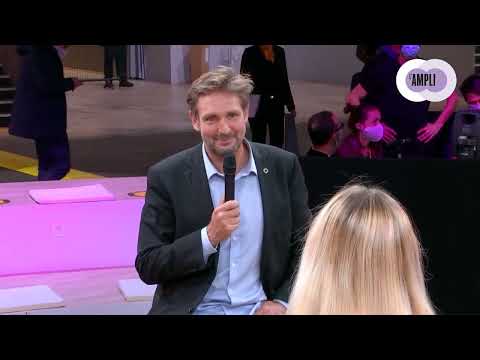
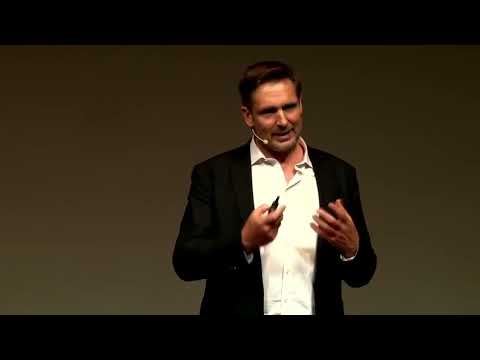
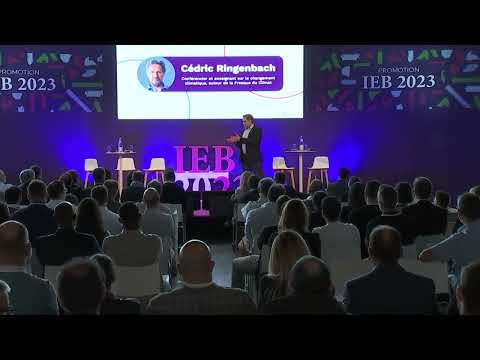
Engineer, entrepreneur and speaker, Cédric Ringenbach turns climate complexity into clear and actionable decisions. His career sits at the crossroads of engineering, energy, education and organisational transformation.
The man who made climate change understandable
In 2015, he created the Climate Fresk. A few cards, a group and cause-and-effect links: a simple method to understand an extremely complex issue. The tool quickly became an international phenomenon and has reached more than two million participants. Its success is based on a strong idea: before acting, people need to understand, and understanding works best when they actively build the reasoning themselves.
This experience made Cédric Ringenbach one of the most recognisable figures in climate awareness in France. Yet his work goes well beyond education: his main focus is turning understanding into decision-making capacity.
From awareness to transformation
After leading The Shift Project from 2010 to 2016, he increasingly focused on one practical question: what does climate transition really mean for business?
Carbon pricing, energy, competitiveness, transition risks and business-model transformation: he helps decision-makers move beyond CSR commitments and anticipate the new rules of the game. His approach connects the physical constraints of climate change with economic trade-offs, investment choices and long-term strategy.
When climate becomes a business risk
Regulation, carbon pricing, new technologies, changing demand, energy dependency and market transformation: Cédric Ringenbach shows that climate is no longer only an environmental issue. It has become a question of strategy, risk and competitiveness.
His talks encourage leaders to stress-test decisions against different transition scenarios, identify vulnerabilities and distinguish physical risks from those created by changing economic and regulatory frameworks.
Moving beyond false debates
Technology or sufficiency? Growth or climate? Individual or collective responsibility? Cédric Ringenbach rejects overly simplistic oppositions. His approach is systemic, pragmatic and solution-oriented: understand physical constraints, identify the most effective levers and redesign models able to operate in a low-carbon world.
On stage, he favours direct pedagogy, structured reasoning and concrete examples. His goal is not to impose one single answer, but to give decision-makers the tools they need to set a course and act with greater clarity.