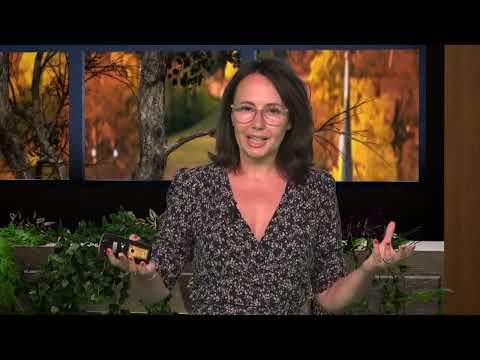
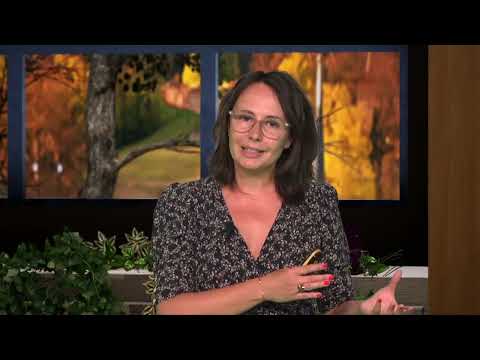
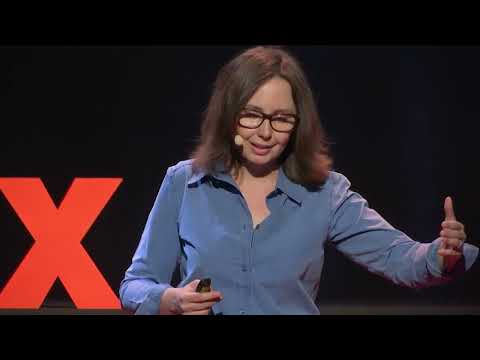
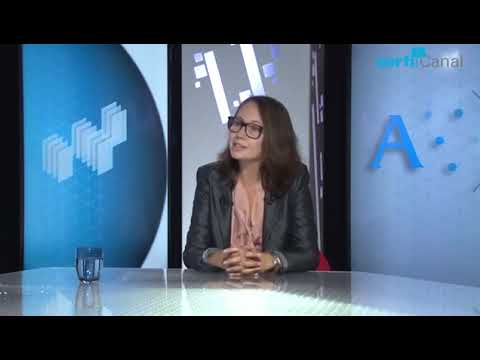
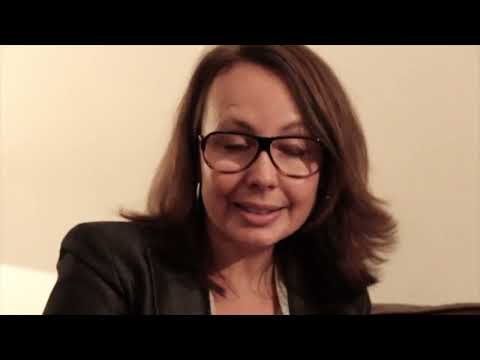
An expert in infobesity and info-responsibility, Caroline Sauvajol-Rialland has spent more than fifteen years decoding the effects of information overload on our organisations, our decisions and the way we work.
From information to infobesity
A former journalist, Caroline Sauvajol-Rialland went on to join Groupe La Poste, where she held positions of responsibility in information and communication from 2000 to 2006. This dual experience gave her a very practical understanding of how information is produced, circulated and consumed within organisations.
Early on, she identified one of the paradoxes of the digital world: the more information we have, the harder it becomes to identify what really matters.
As early as 2009, she published Mieux s’informer pour mieux communiquer, before devoting an entire book to the phenomenon in 2013, Infobésité : comprendre et maîtriser la déferlante d’informations.
Transforming our practices rather than being ruled by our tools
In 2011, Caroline founded So Comment, a consultancy specialising in information management and info-communication practices.
Her approach rests on a simple observation: we are all victims of information overload, but we also contribute to other people’s. Around this idea she has developed an info-responsibility approach: choosing more carefully what we produce, whom we send it to, through which channel and with what level of priority.
The aim is not to communicate less on principle, but to communicate better, in order to preserve attention, make decision-making easier and improve collective performance.
Expertise spanning research and business
Caroline Sauvajol-Rialland has also taught at Sciences Po Paris, the Université catholique de Louvain and the ICD, and has spoken at institutions including CELSA and CFPJ.
Her work focuses on information overload, organisational communication, digital practices and their consequences for decision-making and management processes. Her career thus combines professional practice, teaching, research and advisory work with organisations.
Taking back control of our attention
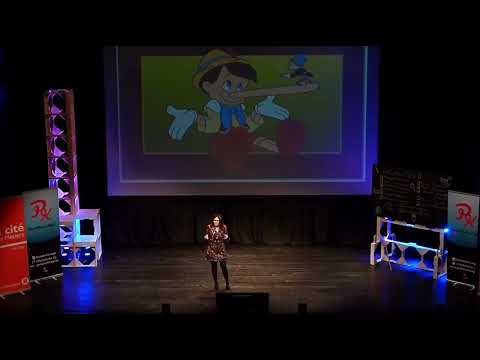
In her talks, Caroline does not stop at describing a world saturated with emails, notifications and messages. She gives participants tools they can apply straight away to better select, prioritise, pass on and share information: collective rules, email practices, organisation of channels, focus time, disconnection and new managerial behaviours.
Her ambition: to move organisations from a culture of “ever more information” to a culture of “better information”.