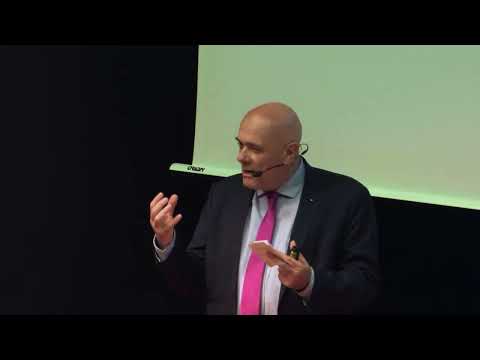
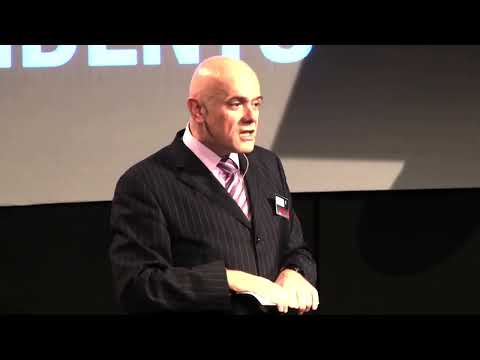
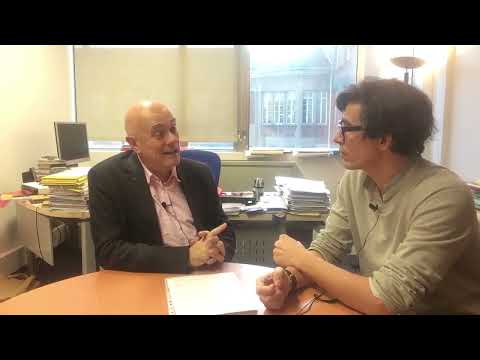
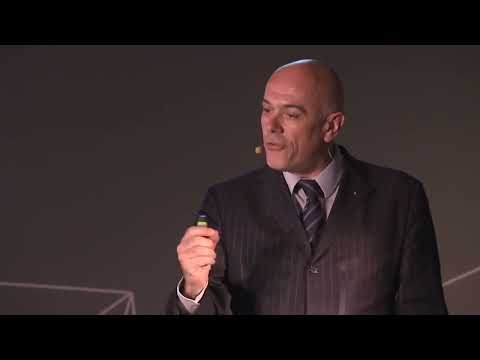
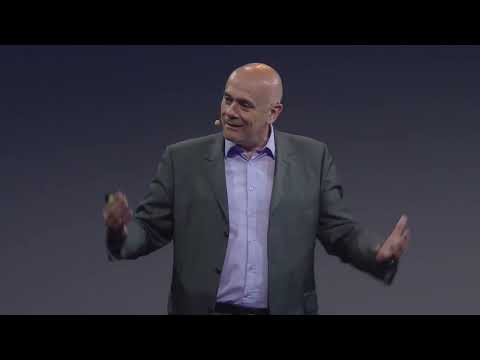
Professor Emeritus of Social Psychology and Positive Leadership at ESCP Business School, Philippe Gabilliet is one of the French-speaking world's best-known experts on optimism, luck, boldness and the mental strategies of success.
For more than thirty years, he has helped executives, managers and teams act despite uncertainty, bounce back from setbacks and turn unexpected events into new possibilities.
An action-oriented approach to optimism
For Philippe Gabilliet, optimism is neither naive nor a way of denying difficulties. It is a genuine strategy for action. Being optimistic means looking at reality lucidly while retaining the conviction that it is still possible to act, learn and create new solutions.
He therefore advocates a form of "fighting optimism": a deliberate mindset that helps people mobilize their resources, sustain collective energy and keep moving when certainty disappears.
From social psychology to management
A graduate of Sciences Po Bordeaux with a PhD in Management Science and a postgraduate diploma in advanced political analysis, Philippe Gabilliet began his career in political science research.
He then became a consultant specializing in motivation and the management of operational and sales teams. In the early 1990s, he joined CNP Assurances, where he held commercial leadership roles.
He joined the faculty of ESCP Business School in 1995 and later served as Dean and Academic Director of the European Executive MBA and Executive Education programs.
Luck as a skill
Philippe Gabilliet is particularly known for developing a behavioral approach to luck. In his view, lucky people cultivate a distinctive ability to notice opportunities, mobilize their networks, recycle setbacks and act quickly as circumstances change.
Luck can therefore be cultivated through four dimensions: intention, attention, recycling and connection.
An inspiring and practical speaker
Philippe Gabilliet combines academic rigor, humor, storytelling and pragmatism. His keynotes provide frameworks, behaviors and principles that can be applied immediately in professional life.
Using examples from business, history, sport and everyday life, he helps participants regain momentum, rediscover their room for maneuver and become more active authors of their own trajectory.